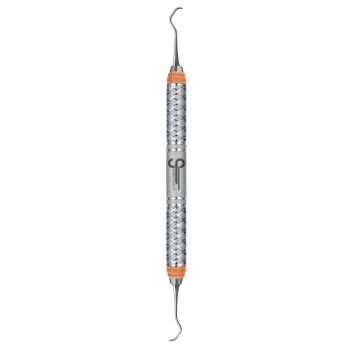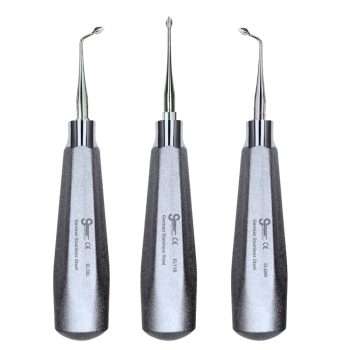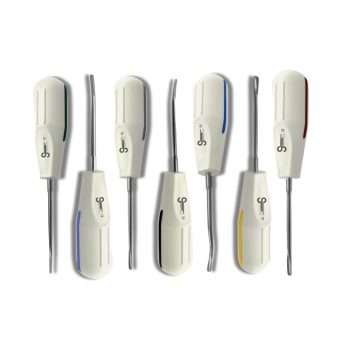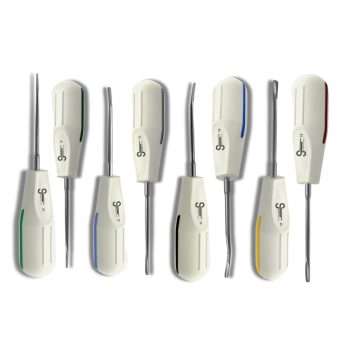
Shop microsurgical dental instruments in Canada, including micro mirrors for endodontic surgery, periodontal microsurgery and work under a microscope or loupes.
Showing all 2 results
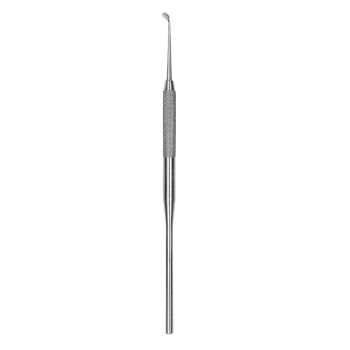
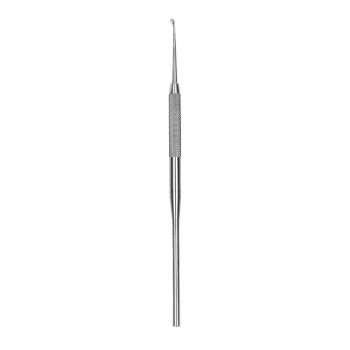
Microsurgery uses fine instruments under magnification to work in small spaces with less tissue trauma. Instruments are smaller and lighter so they can be controlled with small finger movements.
What is in the range
The range currently includes round micro mirrors in large (4.5mm) and small (2.5mm) sizes. Fine instruments such as the Castroviejo scissors and needle holders, and the Tabanella papilla micro elevator, are listed in their own categories.
How to choose
Micro mirrors are used in apical surgery to view the root end after resection. Choose the small size for narrow bony windows and the large size where there is more room.
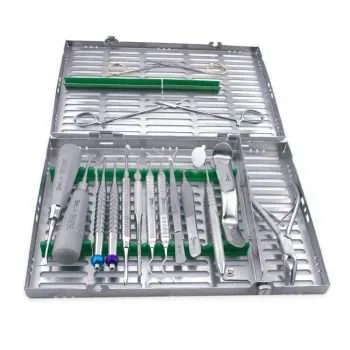
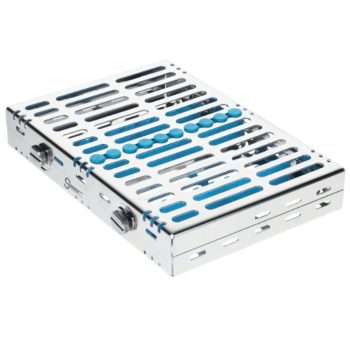
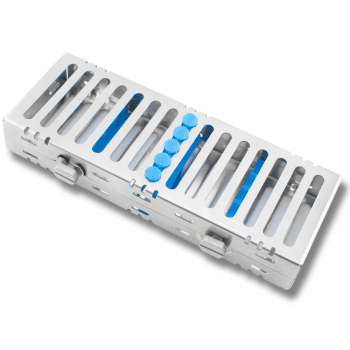
Pair micro instruments with good magnification and lighting, and keep them in a dedicated cassette to protect the fine tips.
Care and sterilization
Clean instruments as soon as possible after use, before blood and debris dry on them. Use an ultrasonic cleaner or washer, rinse and dry, then pouch or cassette them for the autoclave. Inspect working ends for wear, bending or damage at each cycle, and replace instruments that no longer perform. Handle micro instruments one at a time so fine tips are not bent.
Related: Micro Mirror, Scissors, Needle Holders and Periosteals.
Frequently asked questions
What are micro mirrors used for?
They give a view of the resected root end and the inside of the bony crypt during endodontic surgery.
Do micro instruments need a microscope?
They are designed for use under a microscope or high magnification loupes, where their small size gives better control.
Which other instruments are used in microsurgery?
Castroviejo scissors and needle holders, fine tissue forceps and papilla elevators are commonly used.