
Dentistry keeps getting better with new inventions and technology that support both patient care and the speed of procedures. If you are experienced or just getting into dentistry, knowing the main dental equipment in today’s clinics is important. This guide brings together advice from top dental resources to describe the essential instruments and technologies for every dentist.
Diagnostic Instruments
A proper diagnosis is the first important thing needed before dental treatment. With the wrong diagnostic equipment, the most experienced dentist might not see the cause of the challenge. What follows are the must-have tools for diagnosing a patient:
Mouth Mirrors: Having a mouth mirror handy helps you see places inside your mouth that would be difficult otherwise, including the back of the mouth. They help dentists see teeth and tissues with the highest accuracy.
Dental Probes: Probes help detect the beginning stages of periodontal disease by allowing the dentist to measure the health of the gums.
Explorers: Dentists use explorers, which are sharp tools, to feel the surface of teeth so that they can catch cavities early.
Find a wide range of dental instruments online designed to meet modern dentistry needs with ease and convenience.
Core Clinical Equipment
Dental Chair
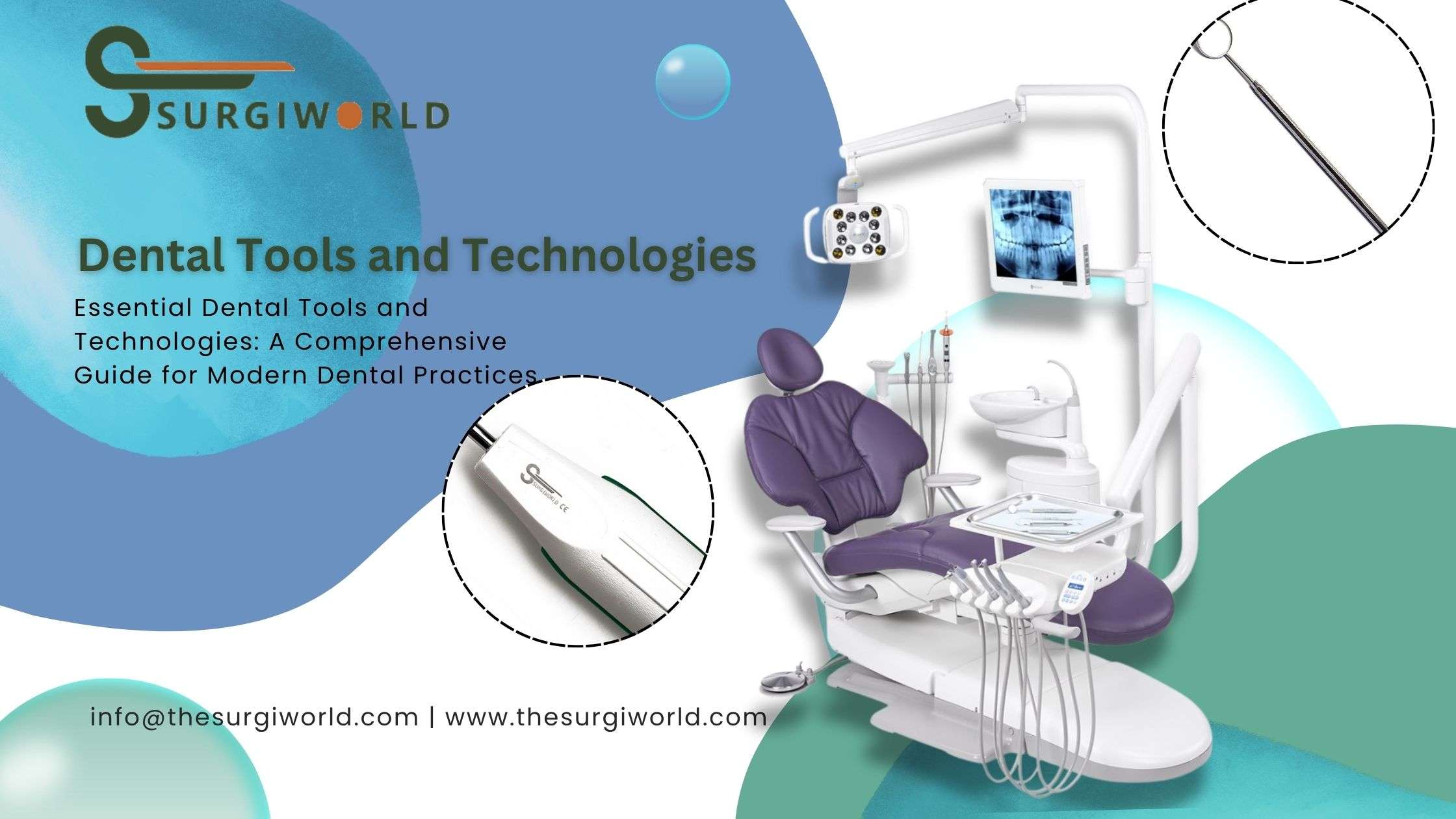
Any dental clinic centers around its dental chair, built to give both the patient and dentist the greatest comfort during procedures. Today’s dental chairs offer flexible positions, are designed for comfort, and provide convenience when facilities are used. Improved versions of washing machines add both integrated lighting and external digital displays for better use.
Operatory Lights
The quality of lighting is very important for dental treatments. Operation lights are designed to take out shadows and give clear, adjustable lighting. With these lights, the dentist can work more precisely in difficult situations.
Autoclaves
Dental sterilization procedures heavily depend on autoclaves. They apply high-pressure steam to instruments to kill off bacteria, viruses, and pathogens. Autoclaves are needed to make certain the clinical area is clean and to safeguard patients and staff.
The dental explorer tool is a must-have instrument for detecting cavities, calculus, and other dental irregularities with precision.
Treatment Instruments
Dental Handpieces:
Dental handpieces are versatile tools used in a wide range of procedures.
- High-Speed Handpiece: Drilling cavities, making crowns and cutting into hard tissues efficiently is made easier with a high-speed handpiece.
- Low-Speed Handpiece: Th anymore that requires extra control such as finishing or polishing, is done with the low-speed handpiece.
Dental Forceps
Dentists use dental forceps most often to remove teeth. They have features that firmly grab teeth and take them out causing as little harm as possible to surrounding areas. Forceps in different models and designs can be chosen for different locations and choices of tooth.
Elevators
Elevators are used with dental forceps to ease the teeth and divide them from the gums and bones. Thanks to their design, the connections do not press on other teeth, minimizing the patient’s pain.
Composite Kits
Restorative dentistry relies heavily on composite kits. In dentists’ offices, you will find everything necessary to fill cavities and repair chipped or misshapen teeth. Because they look like teeth, these materials help give denture wearers a natural look.
A dental mirror set is essential for clear visibility during oral examinations, ensuring precision in every procedure.
Imaging and Diagnostic Technology
Digital X-Ray Machines
Digital X-ray technology in dentistry offers clear images at much lower cost of radiation than before. Thanks to these machines, images appear immediately on the dentist’s computer, making it simpler to identify cavities, bone problems and teeth that are impacted.
Intraoral Cameras
Specialized cameras help dentists see detailed pictures inside a patient’s mouth. With these cameras, it is easy to show dental problems to patients and outline possible solutions. Having patients see what’s going on inside of them increases their understanding and trust.
Improve your dental diagnostics with a high-quality dental explorer tool, perfect for detailed and accurate oral examinations.
Digital Dentistry Tools
CAD/CAM Systems
With CAD/CAM, creating dental restorations is made much more efficient. Because of these systems, dentists are able to design and make crowns, bridges and veneers at their practice, often all in one session. It allows more time to be saved and also ensures that restorations fit and look better.
Intraoral Scanners
Rather than using traditional molds, intraoral scanners make accurate digital 3D images of the patient’s mouth. They help patients avoid the pains of old impression materials and make sure there is higher accuracy when fitting aligners or crowns.
AI Diagnostic Tools
AI is now a key component in how dentists make diagnoses. These systems review images and data from X-rays and photos to discover early symptoms of cavities, gum infection or oral cancer. The objective assessments from such tools help doctors make sure they do not miss anything important.
The periodontal probe is an essential tool for measuring pocket depths and assessing gum health with precision.
| Technology | Purpose | Advantages |
| CAD/CAM Systems | Designing and fabricating restorations | Faster turnaround, precise fit |
| Digital X-Ray Machines | High-resolution imaging | Reduced radiation exposure, instant results |
| Intraoral Scanners | Digital impressions | Enhanced accuracy, patient comfort |
| AI Diagnostic Tools | Image and data analysis | Early detection, increased accuracy |
Infection Control
Autoclaves
It is important to note that autoclaves are used to sterilize instruments. They make sure that reusable items are safe from dangerous organisms and keep work areas very hygienic.
Chemical Vapor Sterilizers
There are chemical vapor sterilizers specifically for instruments that cannot tolerate high heat. The mix of heat, pressure and chemical vapor kills harmful pathogents in these sterilizers.
Keep your smile healthy and bright with professional-grade dental hygiene tools designed for effective cleaning and care.
Disposable Barriers
Small plastic covers over chairs, lights, and instrument trays prevent contamination. These obstacles are set up to keep patients’ wounds sterile.
Single-Use Items
Using gloves, masks and syringes only once is recommended to avoid getting sick from others. The common use of disposables is a basic principle of current infection control.
Our professional-grade periodontal instruments ensure effective treatment of periodontal diseases and optimal oral health.
Conclusion
Current dental technologies have made it much easier for dentists to handle oral health problems. Mirrors, advanced instruments, CAD/CAM systems and artificial intelligence help ensure that medical care is high-quality. Dentists can work more easily, offer a pleasant experience to their patients and protect their health by using these tools.


Write a comment
You must be logged in to post a comment.